Maldives Travel Tips 2026: 17 Things to Know Before You Go
By IM Maldives·Updated 06 Jun 2026·10 min read
Updated for 2026: The Maldives is easy to visit, but it is not a destination where every detail can be left until arrival. Your resort island, transfer type, meal plan, arrival time and even what you pack can change the whole trip.
This guide is written for first-time travellers who want the practical version: what to do before you fly, what to expect at the airport, how transfers work, what rules matter on local islands, and how to avoid the common Maldives mistakes that quietly add cost or stress.
What should you know before visiting the Maldives?
The short version: most visitors receive a free 30-day tourist visa on arrival, but you must complete the IMUGA Traveller Declaration before arrival and departure. Your resort transfer is not optional and is usually arranged by the resort or travel agent. Seaplanes operate during daylight hours only, local islands follow modest dress and alcohol rules, and resort extras can be expensive if you choose the wrong meal plan.
If you only remember five things, remember these: choose the right transfer for your flight time, compare meal plans before booking, pack reef-safe sun protection, respect local island customs, and book through someone who can check live resort availability rather than brochure promises.
Do you need a visa for the Maldives in 2026?
For most holidaymakers, the Maldives provides a free 30-day tourist visa on arrival. You do not usually apply for the visa in advance, but you should still travel with the basics: a valid passport, return or onward ticket, confirmed accommodation, and enough funds or proof of a paid travel arrangement.
Entry rules can change, so check Maldives Immigration's tourist visa guidance before departure. Families should also check that every traveller, including children, has the required documents.
Do you need to complete the IMUGA Traveller Declaration?
Yes. Travellers are expected to submit the online Traveller Declaration through IMUGA before arrival and again before departure. It is free and should be completed within the official time window before travel.
Use the official IMUGA Traveller Declaration portal, not a third-party paid website. Keep a screenshot or confirmation handy in case airline staff or airport officials ask for it.
When is the best time to visit the Maldives?
The classic dry season runs from December to April. This is the period most honeymooners and beach-focused travellers choose because the weather is usually calmer, sunnier and easier to plan around. It is also the most expensive season, especially Christmas, New Year, Chinese New Year and Easter.
May to November is often called the wet season, but that does not mean constant rain. You can still get beautiful days, stronger package value, and better conditions for some marine life encounters. Baa Atoll's manta season, for example, is strongest during the southwest monsoon months. If your priority is price, diving, mantas or a longer stay, shoulder and wet-season dates can be very smart.
For a month-by-month view, use our Maldives by month guides and our marine life calendar.
How do Maldives resort transfers work?
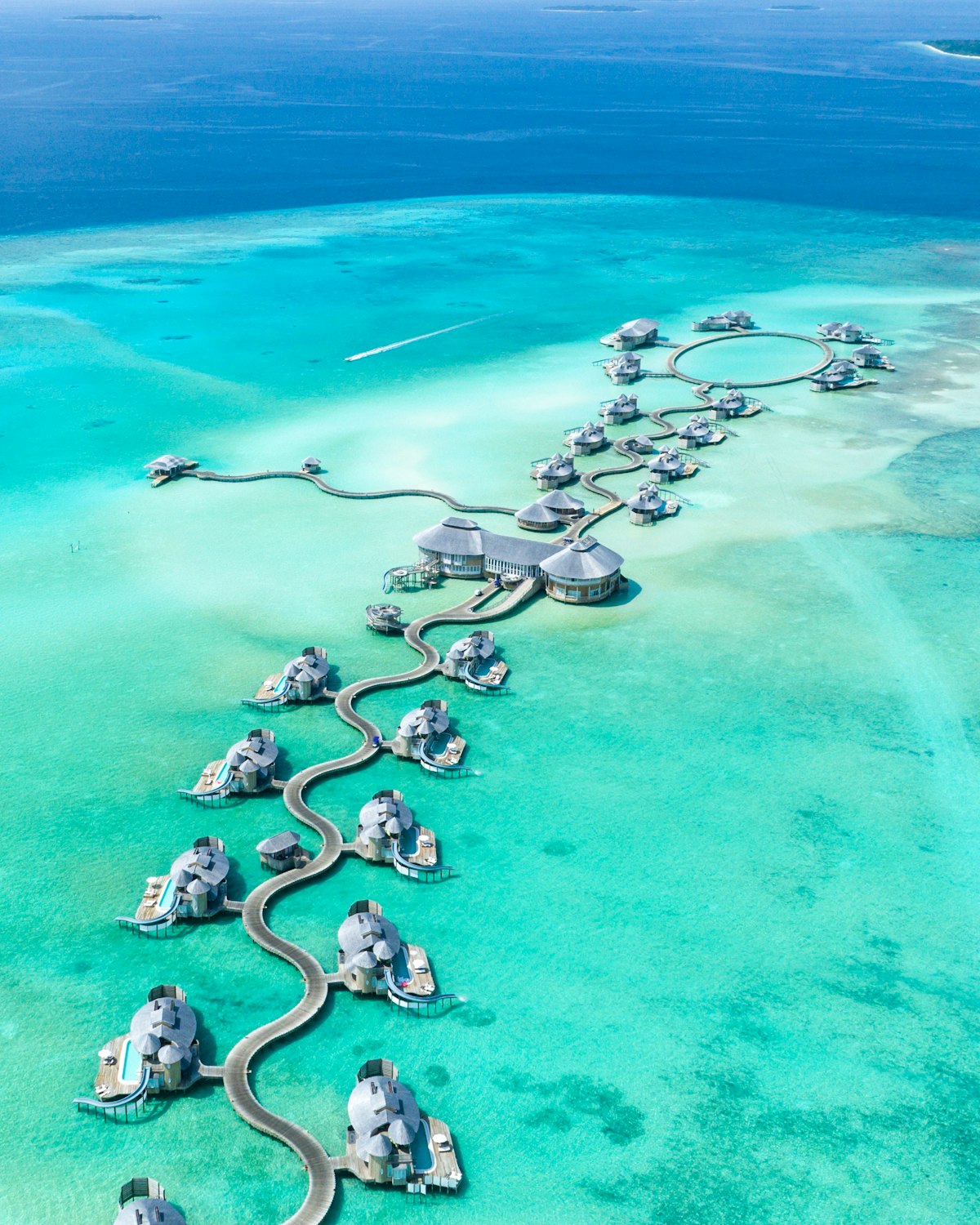
Transfers are one of the most important parts of a Maldives booking. Unlike city hotels, resorts are spread across different atolls, so you cannot simply take a taxi from the airport. Your transfer is usually by speedboat, seaplane or domestic flight plus speedboat.
Speedboat resorts near Male are the most flexible and can often work for late arrivals. Seaplanes are scenic and reach more remote islands, but they normally operate only during daylight hours. Domestic flights can reach farther atolls, but they add airport time and another connection.
Before booking flights, confirm your resort's transfer rules. A late international arrival may mean an overnight airport stay before a next-day seaplane. Our Maldives transfer cost guide explains the practical differences.
Should you stay on a resort island or a local island?
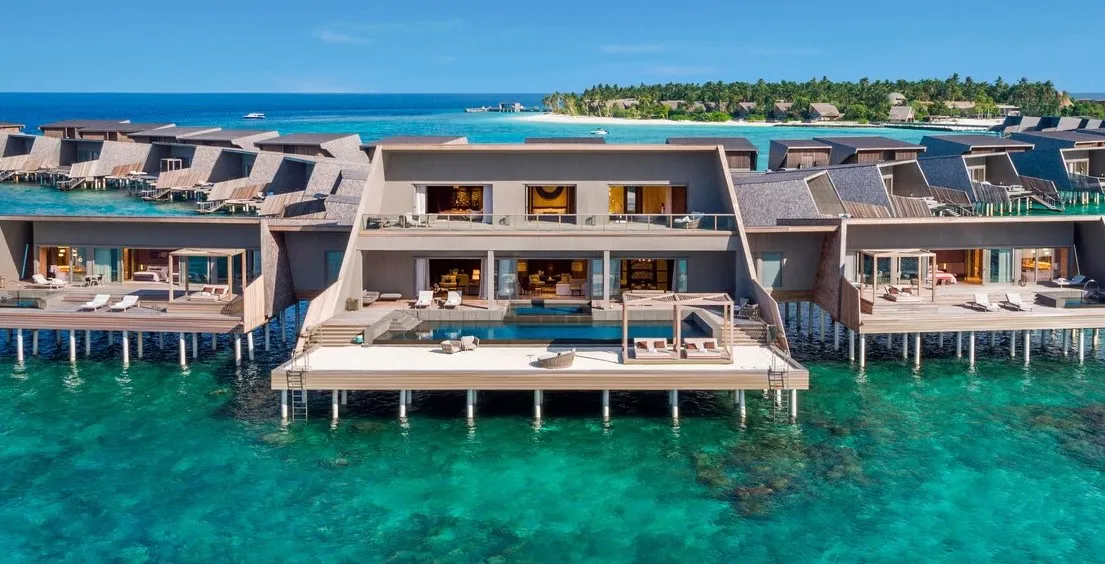
Resort islands are private islands built for tourism. Alcohol is available, swimwear is normal on resort beaches, privacy is high, and dining is controlled by the resort. This is the classic Maldives experience.
Local islands are inhabited communities. They are usually more affordable and culturally interesting, but visitors should dress modestly away from designated bikini beaches, alcohol is not served on the island, and facilities vary. Local island trips are excellent for travellers who want value and community contact, but they are not the same product as a private resort stay.
If you want a mixed itinerary, start with a local island and finish at a resort, not the other way around. The resort ending usually feels more relaxing.
Which Maldives meal plan should you choose?
Meal plans matter because most resorts are isolated. Once you are on the island, you cannot walk to another restaurant if prices feel high. Bed and breakfast can work for light eaters or short stays. Half board usually covers breakfast and dinner. Full board adds lunch. All-inclusive covers meals and selected drinks, sometimes with activities or minibar inclusions.
The right answer depends on the resort. At some islands, all-inclusive is excellent value. At others, it restricts you to certain restaurants or menus. Always compare what is actually included: drinks, a la carte restaurants, premium items, room service, minibar, excursions and transfer inclusions.
For deeper planning, see our Maldives all-inclusive guide and meal plan calculator.
How much extra should you budget for taxes and service charge?
Maldives resort pricing often has tax and service charge added on top. A quote that looks attractive before taxes can feel very different once mandatory charges, transfers, green tax, meal plan upgrades, spa, excursions and drinks are included.
When comparing offers, ask for the full package price, not just the nightly room rate. A proper comparison should include accommodation, taxes, service charge, transfers, meal plan, mandatory gala dinners if travelling over festive dates, and any resort credit or inclusions.
Our Maldives taxes and fees guide breaks this down in plain English.
What should you pack for the Maldives?
Pack light, but pack intelligently. You will use swimwear, breathable resort wear, sunglasses, reef-safe sunscreen, after-sun care, sandals, a hat, insect repellent, a dry bag, basic medication and a reusable water bottle far more than formal clothing.
Bring modest clothing if you plan to visit Male or local islands: shoulders and knees covered is a good default. For resorts, relaxed summer clothing is enough. Some luxury restaurants ask for smart casual dress in the evening, but the Maldives is generally not formal.
If you snorkel, consider bringing your own mask if fit matters to you. Resorts provide or rent equipment, but a comfortable mask can make a big difference.
Can you drink alcohol in the Maldives?
Alcohol is available at licensed resort islands, liveaboards and some tourist facilities, but it is not available on ordinary local islands. You cannot bring alcohol into the Maldives through the airport.
This is one reason resort and local island holidays feel different. If cocktails, wine or champagne are part of the trip, choose a resort or make sure your itinerary accounts for the rule.
Is the Maldives safe for travellers?
The Maldives is generally safe for tourists, especially on resort islands, but normal travel sense still applies. Keep valuables secure, follow water-sports instructions, listen to lifeguards and dive centres, and avoid swimming alone in strong currents.
The most common risks are not dramatic: sunburn, dehydration, coral cuts, underestimating currents, and not having insurance that covers medical evacuation or diving. Check health guidance from official sources such as the CDC Maldives travel page or your own country's travel health authority before you go.
Do you need travel insurance for the Maldives?
Yes, strongly recommended. Resorts can be far from major hospitals, and medical transfers by speedboat, domestic flight or seaplane can be expensive. Insurance should cover cancellations, delays, medical treatment, evacuation, water sports and diving if you plan to dive.
If you are booking a high-value honeymoon or festive season stay, cancellation cover matters. Maldives resorts often have stricter cancellation rules during peak periods.
What should snorkellers and divers know?
The Maldives is one of the world's best destinations for reefs, mantas, whale sharks, turtles and reef fish, but the ocean should be treated with respect. Do not stand on coral, touch marine life, chase rays or sharks, or feed fish. Use reef-safe sun protection and follow the guide's instructions.
Choose your resort based on the marine life you want. A great beach resort is not automatically a great snorkelling resort. House reef quality, channel access and atoll location all matter. Start with our Maldives marine life guides and Maldives diving guide.
How early should you book a Maldives trip?
For December to April, book as early as you can, especially if you want a specific villa category, family villa, overwater pool villa or festive season stay. Six to twelve months ahead is normal for popular resorts. For low season, you may find strong offers closer to travel, but flights and transfer timing still need planning.
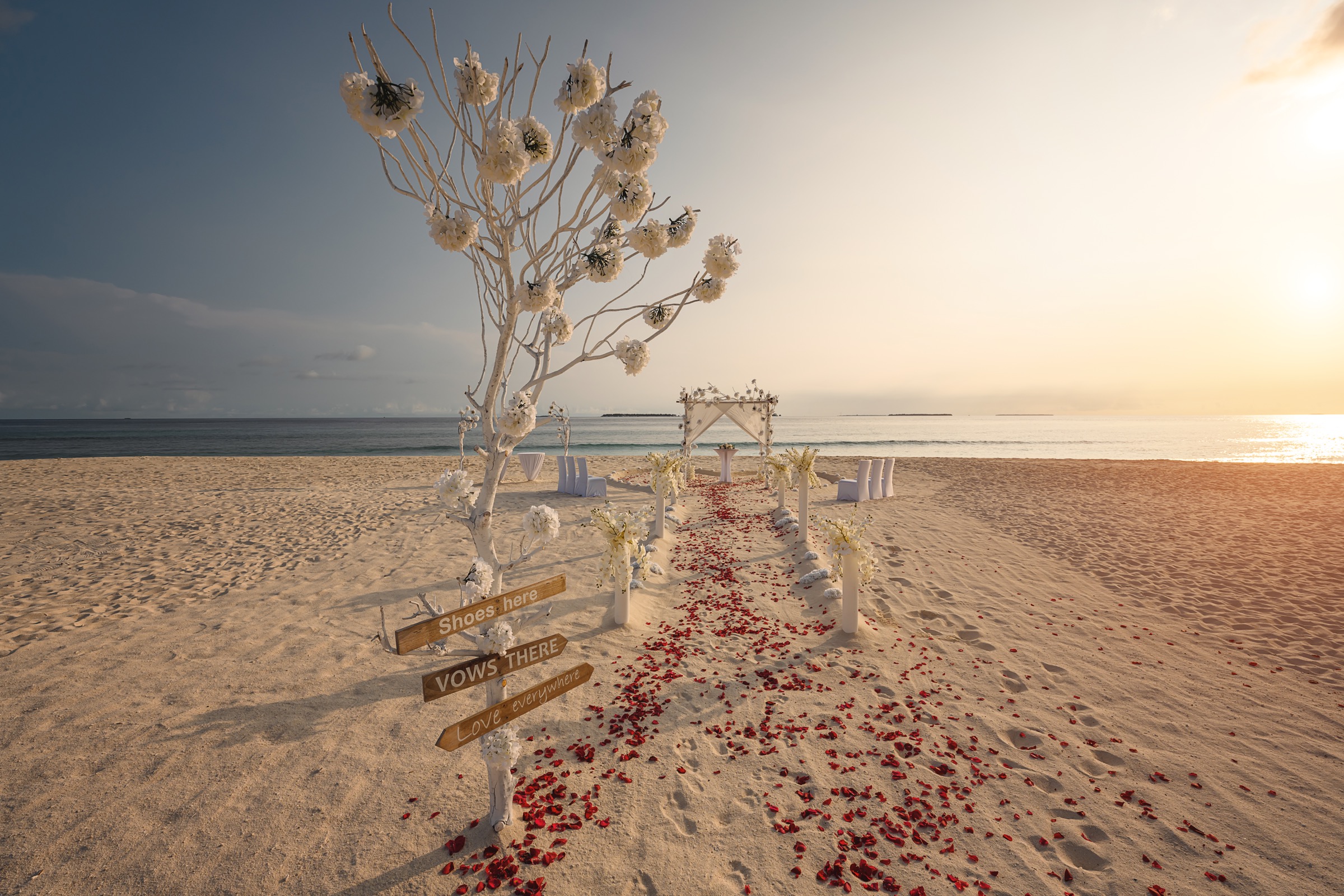
Honeymooners should book early because many resorts require wedding certificates within a certain time window to apply honeymoon benefits. Families should book early because family-friendly villas sell out faster than standard rooms.
What are the biggest first-time Maldives mistakes?
The biggest mistake is choosing a resort by photo alone. Two resorts can look similar online and feel completely different in real life. Transfer type, island size, reef quality, dining style, child policy, villa privacy, beach erosion, current seasonal offers and cancellation rules all matter.
Other common mistakes include landing too late for a seaplane, underestimating taxes and transfer costs, booking bed and breakfast at a remote luxury resort, ignoring local island dress rules, and assuming every overwater villa has the same privacy or swimming conditions.
Which Maldives resort is right for you?
The right resort depends on who is travelling and what would make the trip feel successful. Honeymooners may prioritise villa privacy and romantic dining. Families need kids' clubs, shallow lagoons and villa safety. Divers need location. Food-focused travellers need restaurant variety. Luxury travellers may want butler service, larger villas and stronger inclusions.
Start with the travel style, not the resort name. You can browse our Maldives resorts, compare Maldives packages, or explore dedicated guides for honeymoons, family trips, all-inclusive holidays and local island stays.
Can IM Maldives help plan the trip?
Yes. IM Maldives is based in Male and works directly with resorts across the country. We can compare live availability, transfer options, villa categories, meal plans and seasonal offers, then package the trip properly so you know the real total before you commit.
If you are planning your first Maldives holiday, send us your dates, traveller count, budget and preferred style. We will shortlist resorts that actually fit the trip, not just resorts that photograph well.
Planning a trip to the Maldives? Explore our curated travel packages, browse handpicked resorts, or learn about our destination wedding and group buyout services. Have questions? Check our FAQs or send us an enquiry — our curators are on the ground and ready to help.