Manta Season on a Maldives Liveaboard: Diving Hanifaru Bay and North Ari in Summer 2026
By IM Maldives·Updated 30 Aug 2026·6 min read
Ask around about when to visit the Maldives and you will usually hear "December to April, the dry season." That is fine advice for a beach holiday. If you are coming for the marine life, it is the wrong answer.
The best months for big animals are the ones most tourists skip. From May to November the southwest monsoon pushes plankton into the eastern atolls, and that is when the mantas and whale sharks arrive to feed. Divers call it manta season, and a liveaboard is the best way to be in the right place when it happens.
When is manta season in the Maldives?
Manta season runs from May to November. The biggest gatherings happen between July and October, and they get stronger around the full moon and new moon, when the tides are at their most powerful. If you can choose your dates, aim for that July to October window, and if you can, book a trip that sits close to a moon phase.
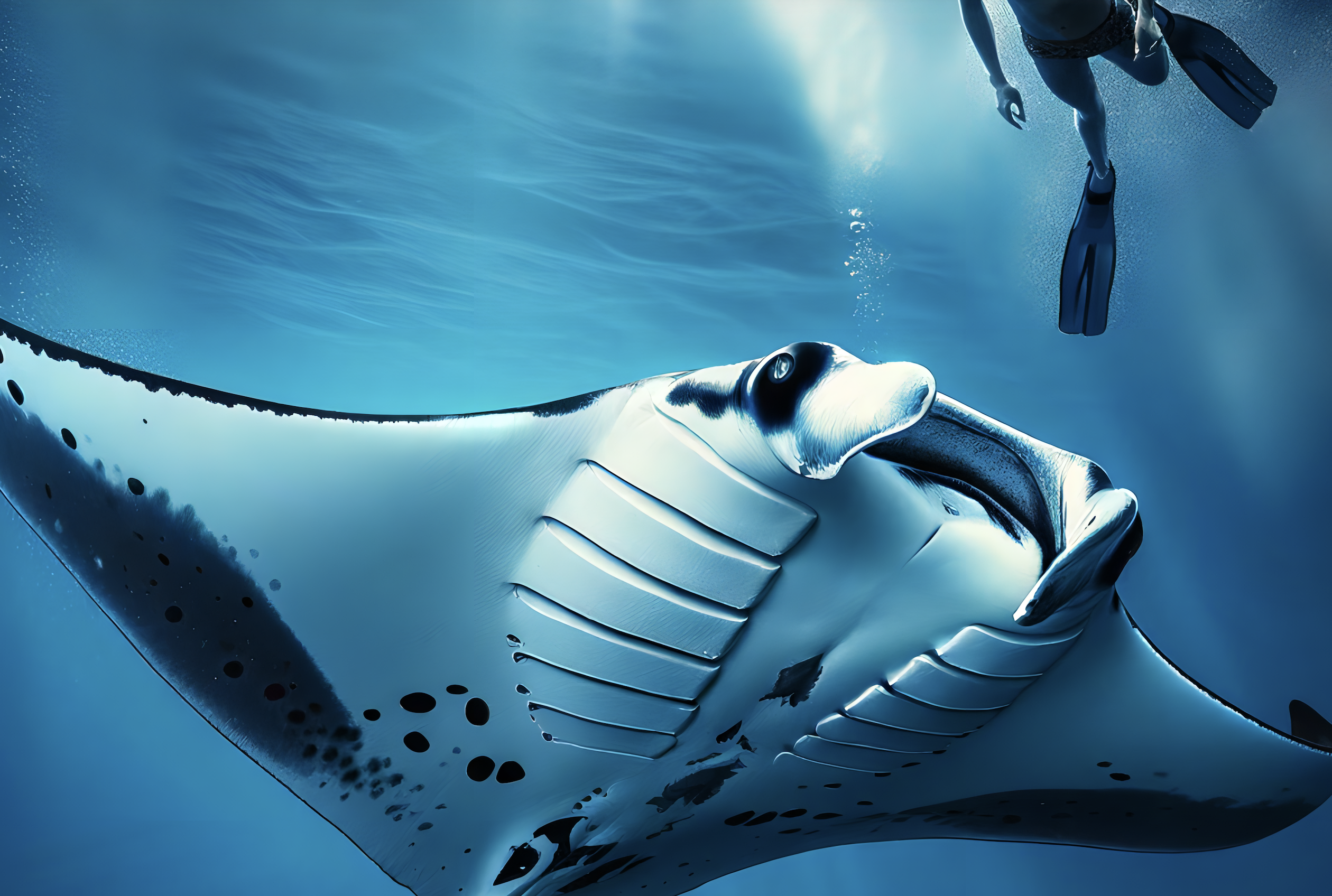
The main event is Hanifaru Bay in Baa Atoll, a UNESCO Biosphere Reserve and the largest manta feeding station on the planet. On a good day more than a hundred mantas feed in one small bay at the same time, and whale sharks join them. Blue Planet II filmed it and called it the world's greatest manta show. It earns the title.
Do you dive or snorkel Hanifaru Bay?
You snorkel it. Scuba is banned inside Hanifaru Bay because the bubbles disturb the animals, so everyone gets in on snorkel, guided, with a few sensible rules. You stay roughly three metres from the mantas and four from the whale sharks, and there is no touching, no chasing and no flash photography. Sessions are capped at around 45 snorkellers with licensed guides present, and there is a small conservation fee paid at the ranger station.
This is the part that changes how you plan. Because the headline experience is a snorkel and not a dive, non-divers do not miss out. That makes a Maldives liveaboard one of the few dive trips that genuinely works for a mixed group. One of you dives, the other snorkels, and you both end up in the water with the mantas.
Where do you actually dive?
The scuba happens around Hanifaru, not inside it. A summer route through Baa and North Ari gives certified divers up to 17 dives in a week at channels, thilas (underwater pinnacles) and manta cleaning stations. Expect grey reef sharks, eagle rays, turtles and big schools of fish. The north sees fewer boats than the popular southern routes, so it tends to feel quieter underwater.
Dive sites here shift with the tide, the weather and wherever the animals happen to be on the day. That is the whole case for a boat over a resort. It moves with the marine life instead of anchoring you to a single house reef. We break that trade-off down properly in our liveaboard versus resort guide.
How much does a Maldives liveaboard cost?
Most Maldives liveaboards run around 200 to 350 US dollars per night, which usually covers your cabin, full board and the diving. Over a week that lands somewhere between 2,000 and 4,500 US dollars per person, depending on the boat, the cabin type and the season. Groups and full-boat charters change the sums, and the Hanifaru conservation fees are small and separate.
Our current summer offer runs up to 30 percent off on selected weeks. Rather than quote you a range, tell us your dates and we will confirm the live price for that departure.
Liveaboard or dive resort?
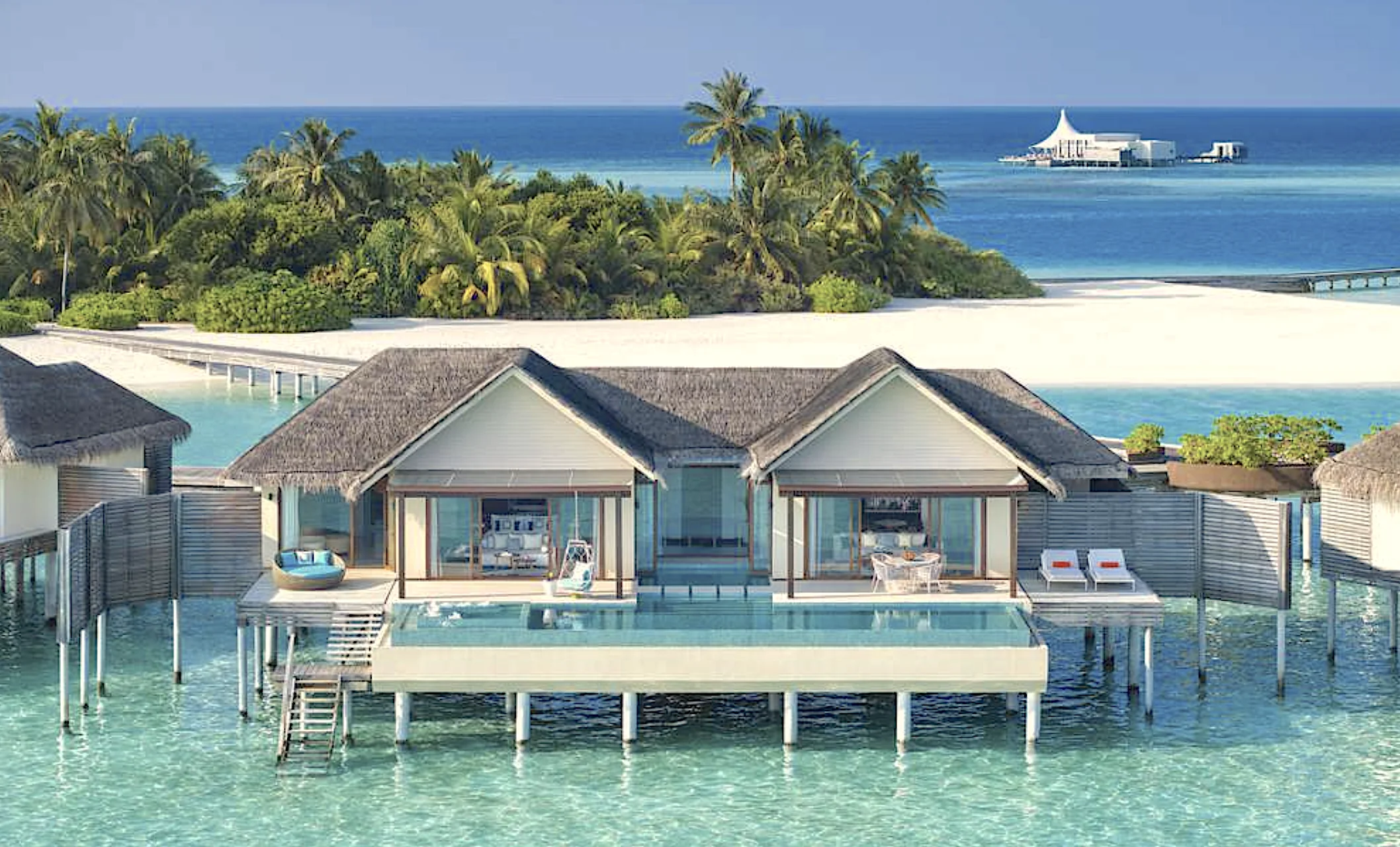
A liveaboard wins when diving is the point of the trip. You reach more sites, you follow the season, and you spend your days underwater instead of on transfers. A resort wins when you want a pool, a spa, a kids' club and a fixed base to come back to each night. Plenty of divers do a resort one year and a boat the next. If you are leaning towards a resort, start with our guide to the best Maldives resorts for divers, and our Maldives diving guide goes deeper on seasons and marine life.
Our summer 2026 liveaboard
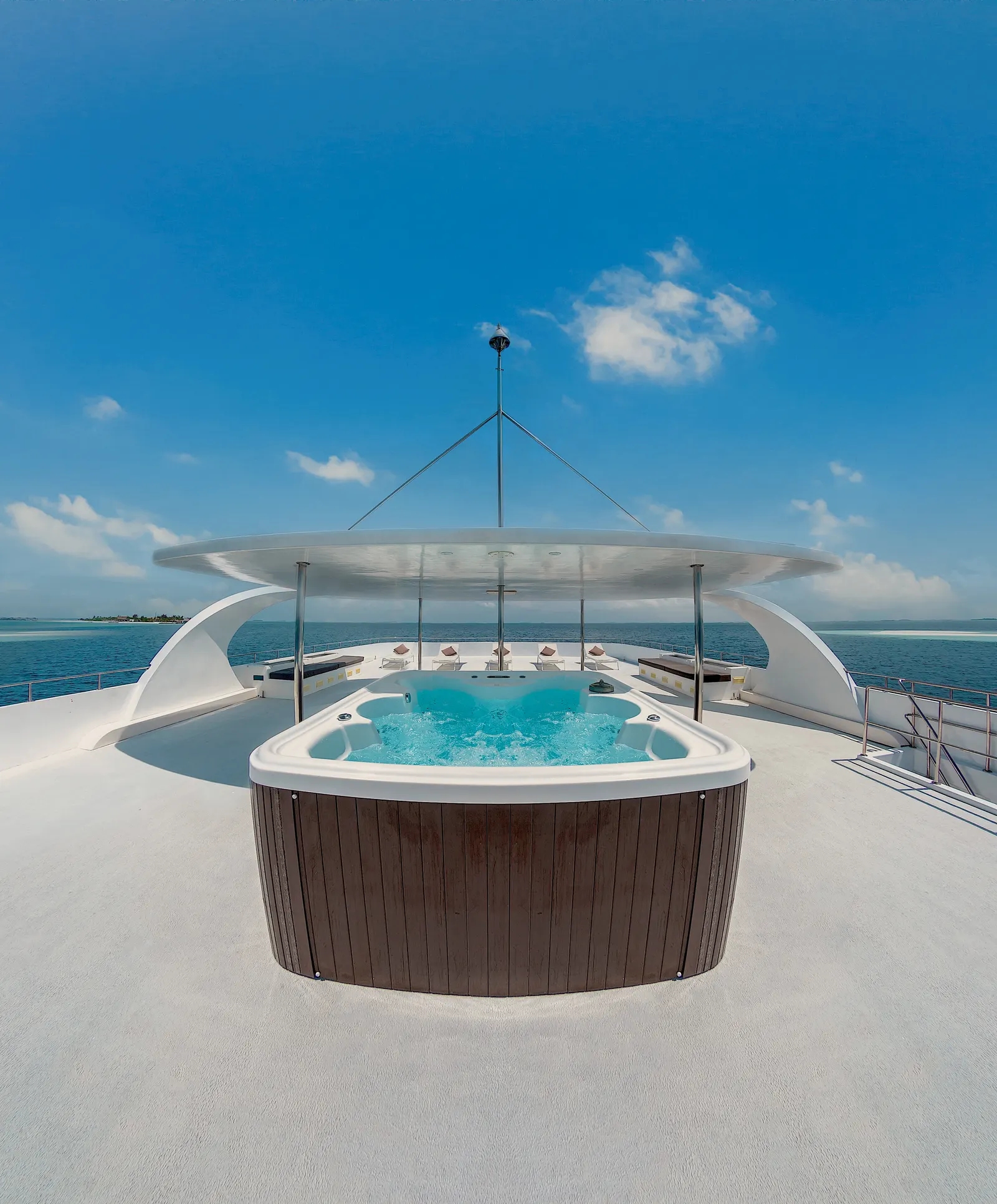
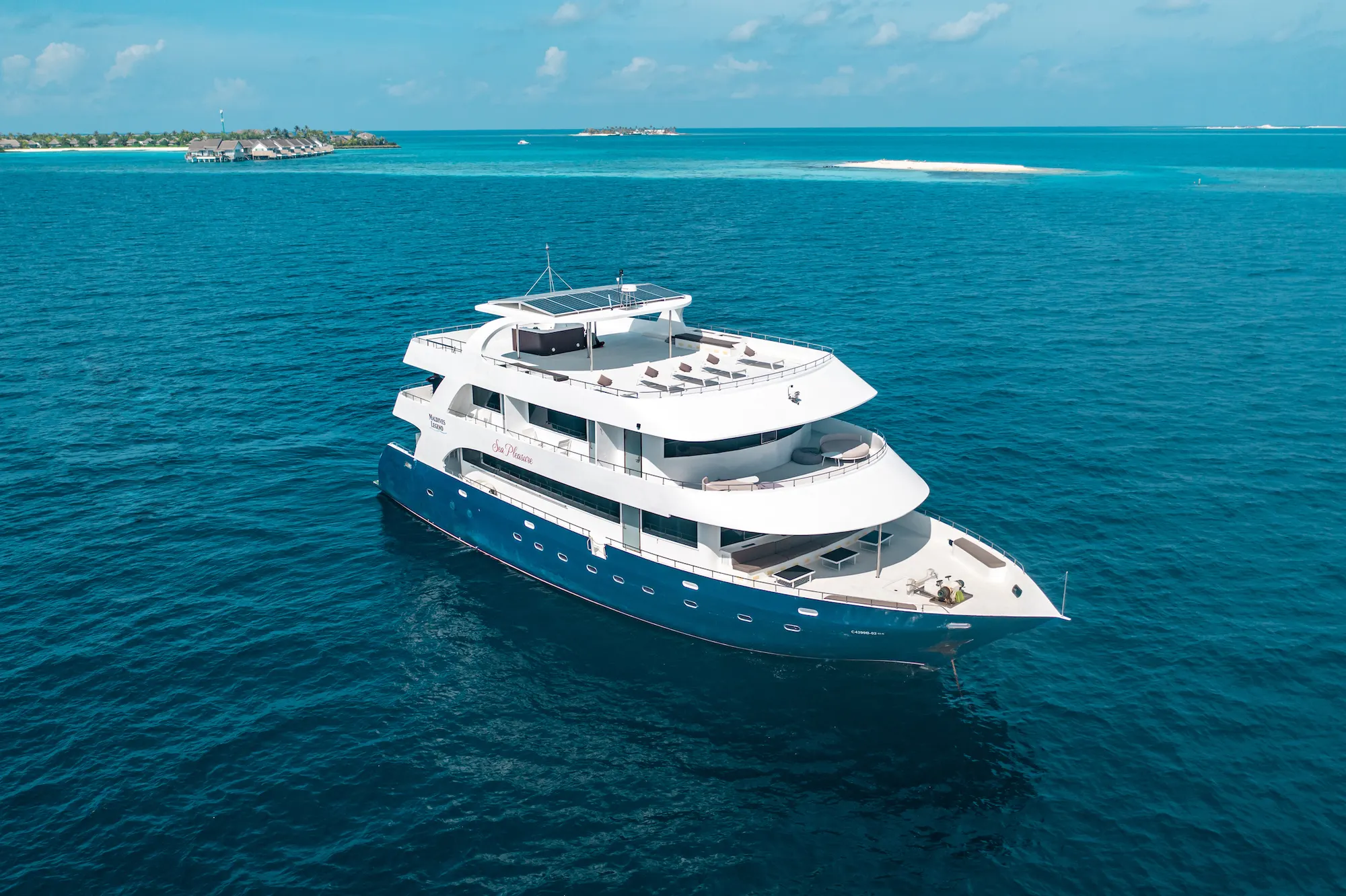
We built a trip that runs exactly this route. Our Maldives Manta Ray Liveaboard, run aboard the Sea Pleasure, is 8 days and 7 nights through Baa and North Ari: 17 dives for certified divers, guided Hanifaru snorkel excursions for everyone, double and twin cabins, full board, island hopping, handline fishing and a barbecue on a deserted island. Five departures run between late June and mid September, with up to 30 percent off on selected weeks.
It suits dive clubs and groups booking cabins together, couples where one dives and one snorkels, and photographers who want the aggregations. For the wider view, including group and charter options, see our Maldives liveaboard diving collection.
Want to check a specific departure, or price a block of cabins for a group? Talk to our team. We are based in the Maldives, so we can confirm the live rate, match your cabins, and get divers and non-divers onto the same boat.
Advertisement
Frequently asked questions
Is Hanifaru Bay worth it?
Can beginners join a liveaboard?
Are manta sightings guaranteed?
What is the best month for Hanifaru Bay?
Advertisement
Planning a trip to the Maldives? Explore our curated travel packages, browse handpicked resorts, or learn about our destination wedding and group buyout services. Have questions? Check our FAQs or send us an enquiry, our curators are on the ground and ready to help.