Hulhumalé Transit Guide 2026 — Where to Stay, Eat & Get Around (10 min from the Airport)
By IM Curator·Updated 30 Aug 2026·6 min read
Updated 25 May 2026. Information current as of this date. Hulhumalé moves fast; please confirm restaurant hours, hotel rates, and taxi prices at the time of your trip.
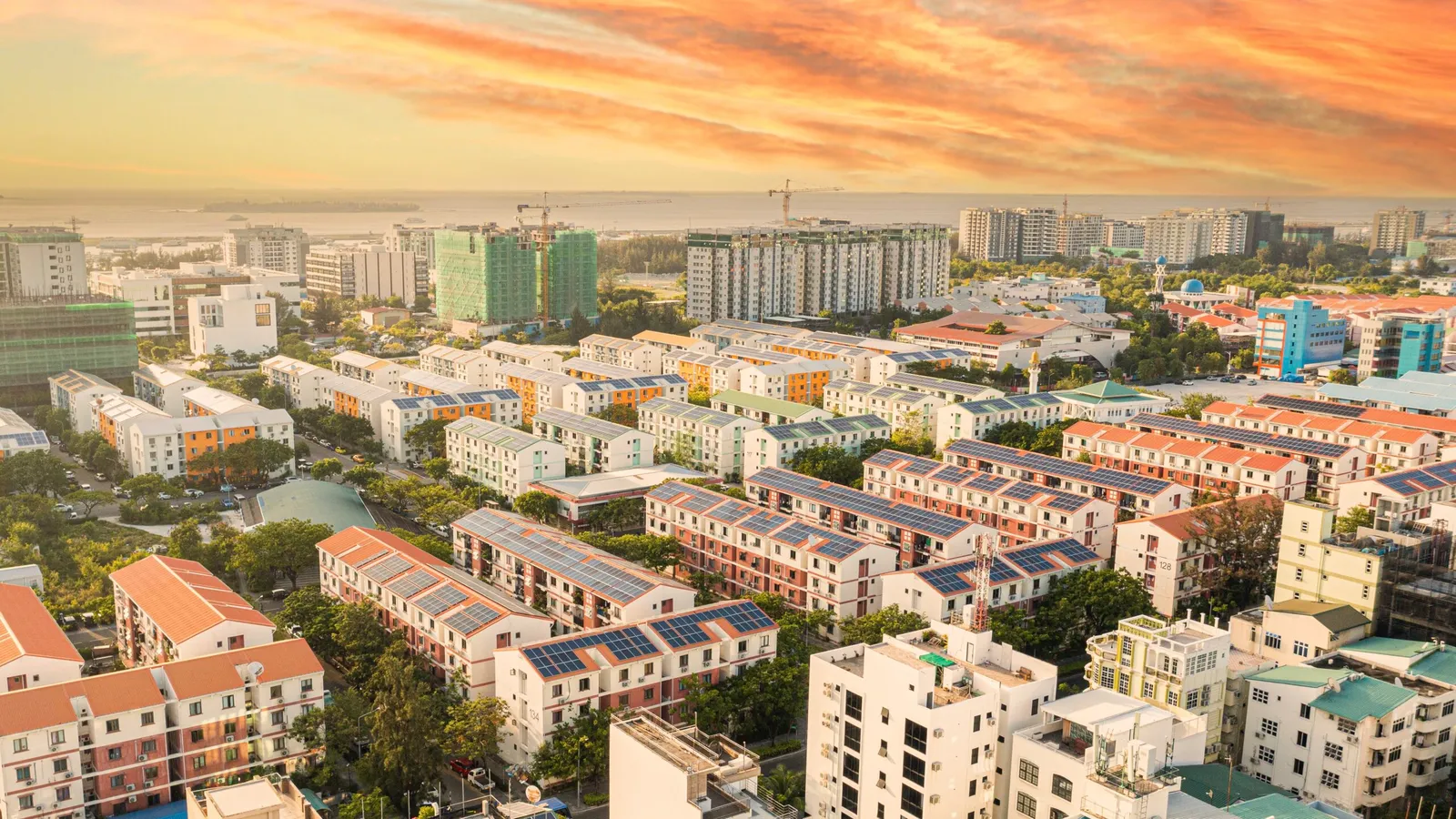
Hulhumalé is the planned island sitting 10 minutes by taxi from Velana International Airport, connected by a road bridge. Around 30,000 residents, a growing strip of small hotels and apartment-style stays, walkable beaches, and restaurants priced for travellers rather than honeymooners. If you have a layover between flights, or want to decompress for a night before flying home from a resort, this is where to do it.
This is the transit-focused guide. For the slower local-life angle, see our Travel like a local: a guide to Hulhumalé.
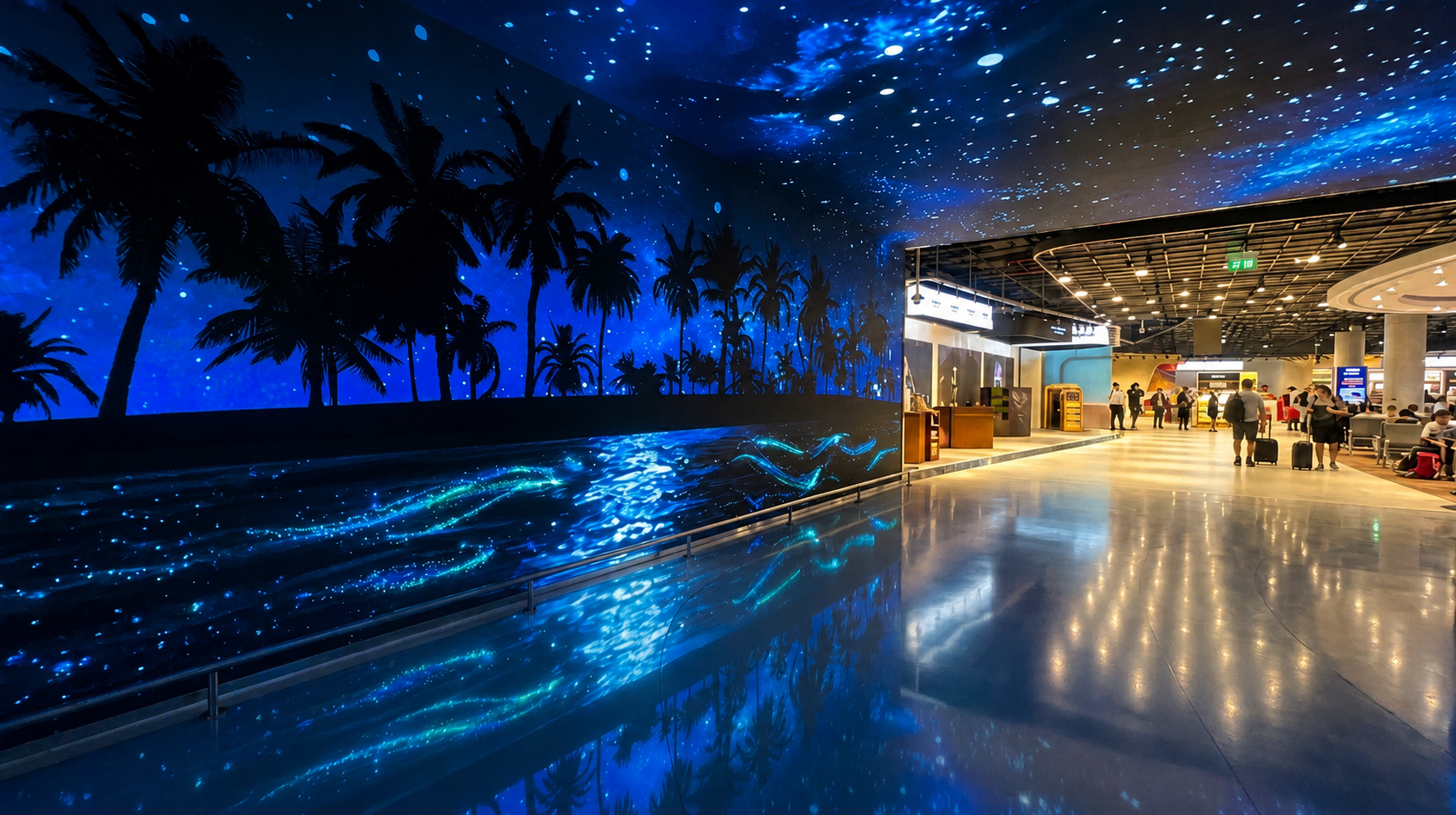
Velana International Airport, the road bridge to Hulhumalé is 10 minutes away.
The quick facts
Distance from Velana: 10 minutes by taxi, connected by road bridge
Taxi cost: MVR 80 to Phase 1, MVR 85 to Phase 2 (about US$5–6)
Currency: US$ widely accepted; ATMs available; MVR for local restaurants and taxis
Language: English fluently spoken in hotels, restaurants, taxis
Alcohol: Hulhumalé is dry, except inside a few licensed hotels (and Hulhulé Island Hotel on the airport side)
SIM card: Dhiraagu and Ooredoo kiosks at the airport, tourist SIM with data from ~$10
Population: ~30,000 residents
Getting from the airport
Three options, in order of what we would recommend:
Taxi app (easiest), download Avas Ride or Quick MV before you land. Both run a fixed-fare model with the regulated rate, both let you book a vehicle to be waiting when you walk out of arrivals. Avoids the kerbside-haggle problem entirely.
Regular taxi, the regulated fare from the airport is MVR 80–85 (about US$5–6). Drivers sometimes try to add an "airport surcharge", there isn't one. Confirm the fare before getting in.
Hotel shuttle, several Hulhumalé hotels offer complimentary airport pickup when you book a room. Mention your flight number in the booking notes.
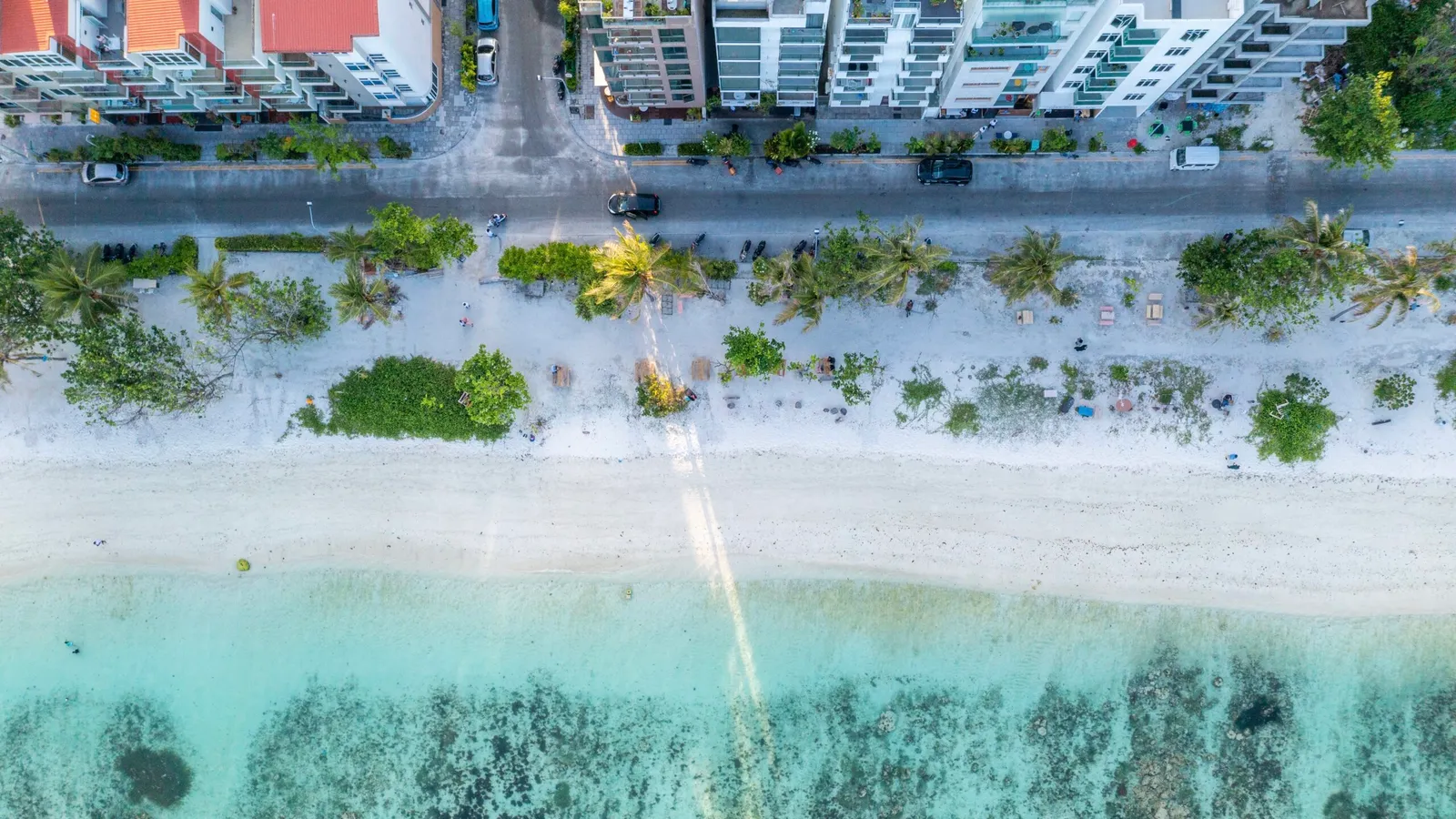
Hulhumalé's hotel district sits along the eastern beach, walkable from most of the island.
Where to sleep
80+ hotels and guesthouses are listed on Booking.com and TripAdvisor for Hulhumalé. The ones we would actually pick for a transit stay (May 2026):
Hotel Ocean Grand at Hulhumalé: 9.2 guest rating, free 24/7 airport shuttle. The safest pick for an early flight.
H78 Veli: free airport pickup, well-reviewed staff, walking distance to the beach.
Amber Beach Hotel: friendly service, beach-facing.
Transit Beach View Hotel, named for the use case; ranked among the top guesthouses on TripAdvisor.
Huvan Beach Hotel, under 1 km from the ferry terminal park.
Apartment alternative (Airbnb-style)
If you want a kitchen, more space, or just do not like hotel rooms, apartment stays are an option. Skaii Stay is the closest Airbnb-style apartment building to the airport bridge in Hulhumalé, which matters when you have an early flight and do not want to budget extra time for traffic. Plenty of other apartments available across the island for longer stays.
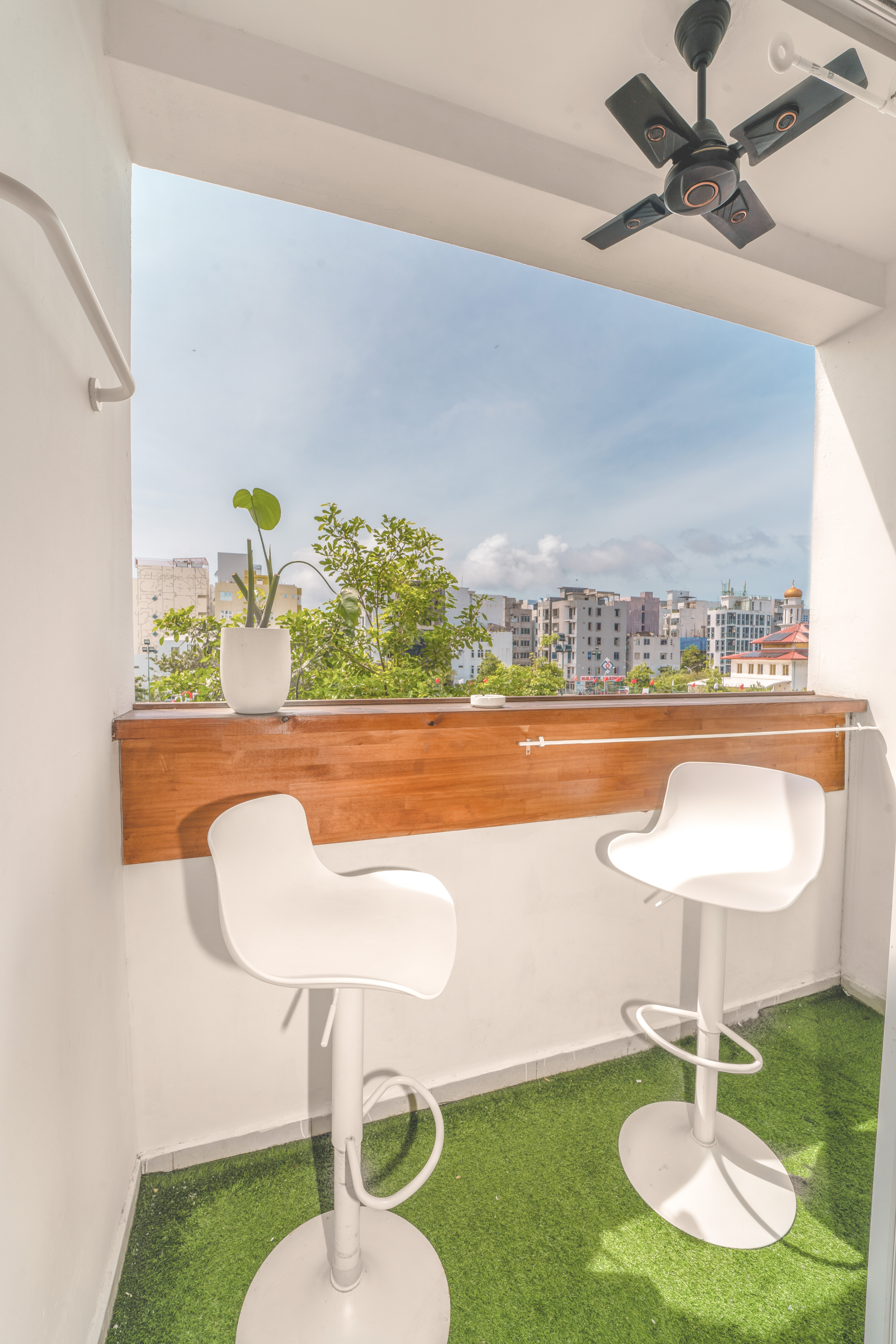
Apartment-style stays offer more space and a kitchen, useful for families and longer transits.
The 4-hour layover plan
You can leave the airport, eat properly, see the beach, and be back before boarding:
Taxi to a beachfront restaurant (10 min). Manhattan Fish Market for seafood, The Catch 78 for proper Maldivian curry, or Thai Palace if you want fine-dining-ish.
Walk the tourist beach (15–20 min). The designated tourist stretch is the only place bikinis are permitted; the rest of Hulhumalé follows local dress.
Coffee or dessert at Shell Beans.
Taxi back to Velana with at least 90 minutes before your international departure.
The overnight layover (8–12 hours)
Hotel with free airport shuttle, book ahead (Hotel Ocean Grand or H78 Veli are the safest bets).
Dinner at Tandoori Flames (tandoori seafood) or The Keyolhu (Japanese–Thai).
Sleep. Set two alarms.
Breakfast at Shell Beans: order Mas Huni (Maldivian tuna and coconut breakfast), Roshi, and pulled coffee.
Shuttle back to Velana, again 90 minutes before departure.
The 24-hour layover plan
If you have got a full day, you have earned a proper Hulhumalé experience.
Morning: Hulhumalé Beach or a walk through Hulhumalé Central Park.
Lunch: Family Room Cafe for Hedhikaa (Maldivian short eats) or The Rajdhani for Indian.
Afternoon water sports: Seaholics Maldives runs snorkelling, kayaking, parasailing, and dive trips from the beach.
Sunset: the tourist beach, west-facing stretches catch the best light.
Dinner: High Tide or The Keyolhu for something memorable.
Sleep, breakfast, shuttle.
When to leave for your flight
International flight: at the airport 90 minutes before scheduled departure.
Domestic flight or seaplane: 60 minutes ahead is fine, but if you have got a separate seaplane operator, confirm the rendezvous point at the time of booking.
Add 10–15 minutes for the taxi ride from Hulhumalé.
Practical FAQ
Do I need a visa for the Maldives?
Most nationalities receive a free 30-day visa on arrival at Velana. Bring proof of onward travel and accommodation.
Where can I leave my luggage during a layover?
Velana has a paid left-luggage facility in arrivals. Most Hulhumalé hotels also store bags before check-in or after check-out at no charge if you have booked a room.
Can I wear a bikini on Hulhumalé beach?
Only on the designated tourist beach. The rest of Hulhumalé follows local dress standards, cover-ups for walking through the streets.
Is alcohol available in Hulhumalé?
Hulhumalé is largely dry. A few licensed hotels serve alcohol on-site. The fully-licensed option is Hulhulé Island Hotel on the airport side of the bridge.
How much does a taxi from Velana to Hulhumalé cost?
The regulated fare is MVR 80–85 (around US$5–6) one-way. Use Avas Ride or Quick MV to lock in fixed pricing and avoid overcharging.
Are there ATMs in Hulhumalé?
Yes, Bank of Maldives and several other branches have ATMs accepting Visa and Mastercard. Many restaurants also accept card.
Can I swim or snorkel from Hulhumalé beach?
Yes, the tourist beach has good swimming. Seaholics Maldives also runs snorkelling trips to nearby reefs.
Is Hulhumalé safe at night?
Yes: low crime, well-lit main streets, locals out walking until late.
What is the best month to visit Hulhumalé?
November to April is the dry season: calm weather, blue skies. May to October has more rain but lower hotel rates.
What is next
Heading to a resort? See our Maldives resorts catalogue and transfer cost guide.
Coming back from a resort? Hulhumalé is the perfect decompression stop before your flight home.
Want to spend longer here? Read our local-life guide to Hulhumalé.
Related arrival planning guides
If you are still choosing a resort, match the flight time to the transfer type before you pay a deposit. These IM guides can help you avoid losing a night at the resort or booking a seaplane property that does not fit your landing time.
Advertisement
Planning a trip to the Maldives? Explore our curated travel packages, browse handpicked resorts, or learn about our destination wedding and group buyout services. Have questions? Check our FAQs or send us an enquiry, our curators are on the ground and ready to help.